
Our Approach: Psychology as Infrastructure for Effective Transformation
How does transformation succeed in organizations, societies, and political processes?
We believe: In places where psychological dynamics are systematically shaped.
We demonstrate how psychology makes transformation effective—in decision-making, cooperation, and implementation.
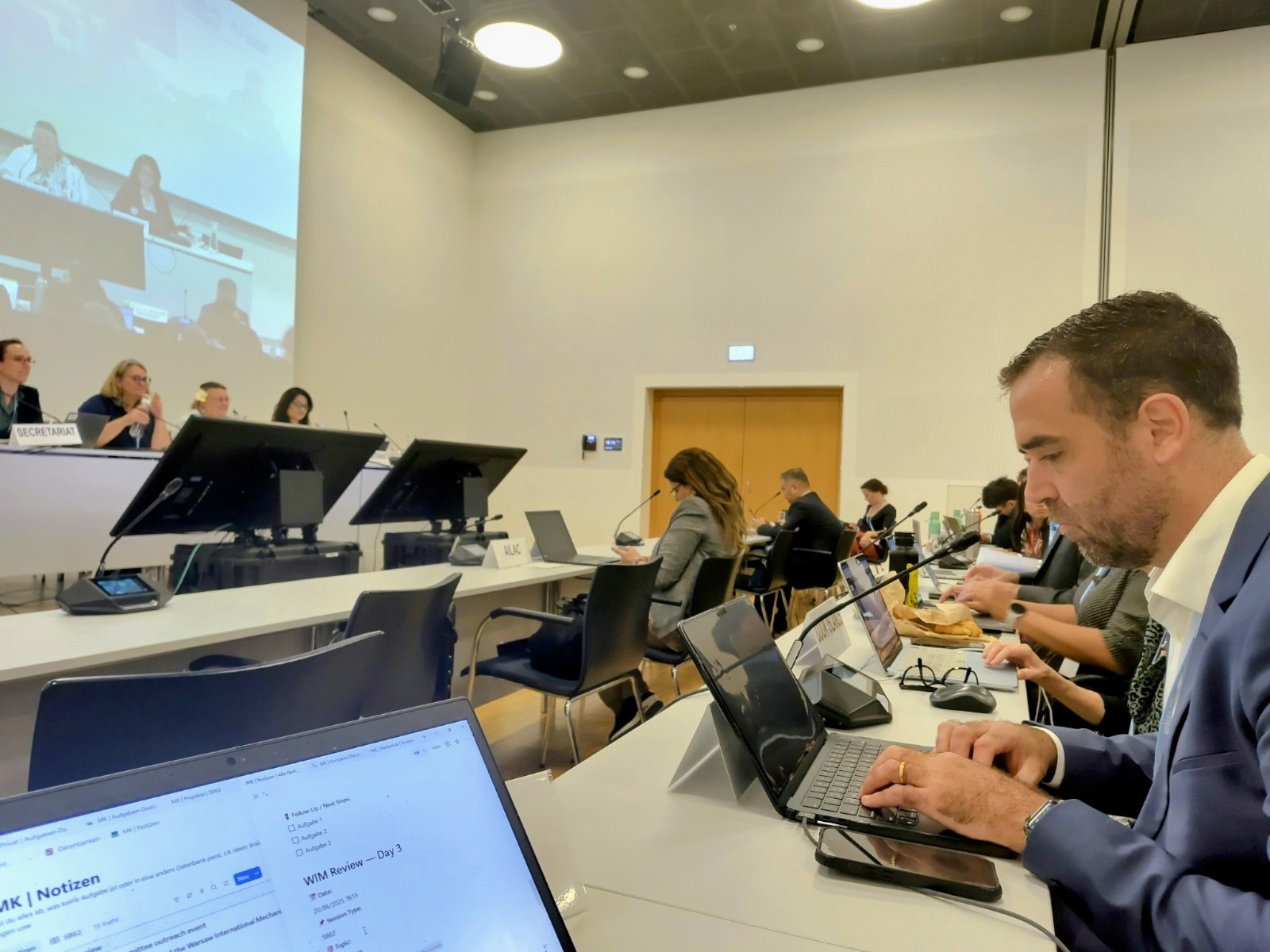

Why Psychology?

Because decisions are not made rationally—but under uncertainty, emotions, and social dynamics
Even the best data remains ineffective if it is not translated into decisions.
Because implementation and acceptance determine success—not the quality of the strategy
Measures rarely fail because of content—but because people do not support or implement them.
Because transformation requires leadership under uncertainty—not just planning
Transformation means uncertainty. Psychology provides orientation, trust, and the capacity to act.
Psychological infrastructure
for effective transformation
Transformation often fails not because of strategy—but because of the psychological dynamics at play:
How decisions are made, how trust is built, and whether people actually take action.
We connect four levels that are often considered separately in practice: psychology, governance, leadership, and institutional design.
Together, these levels form the foundation for sustainable capacity to act:

#1 Mindset
How stakeholders understand problems, perceive responsibility, and define their role
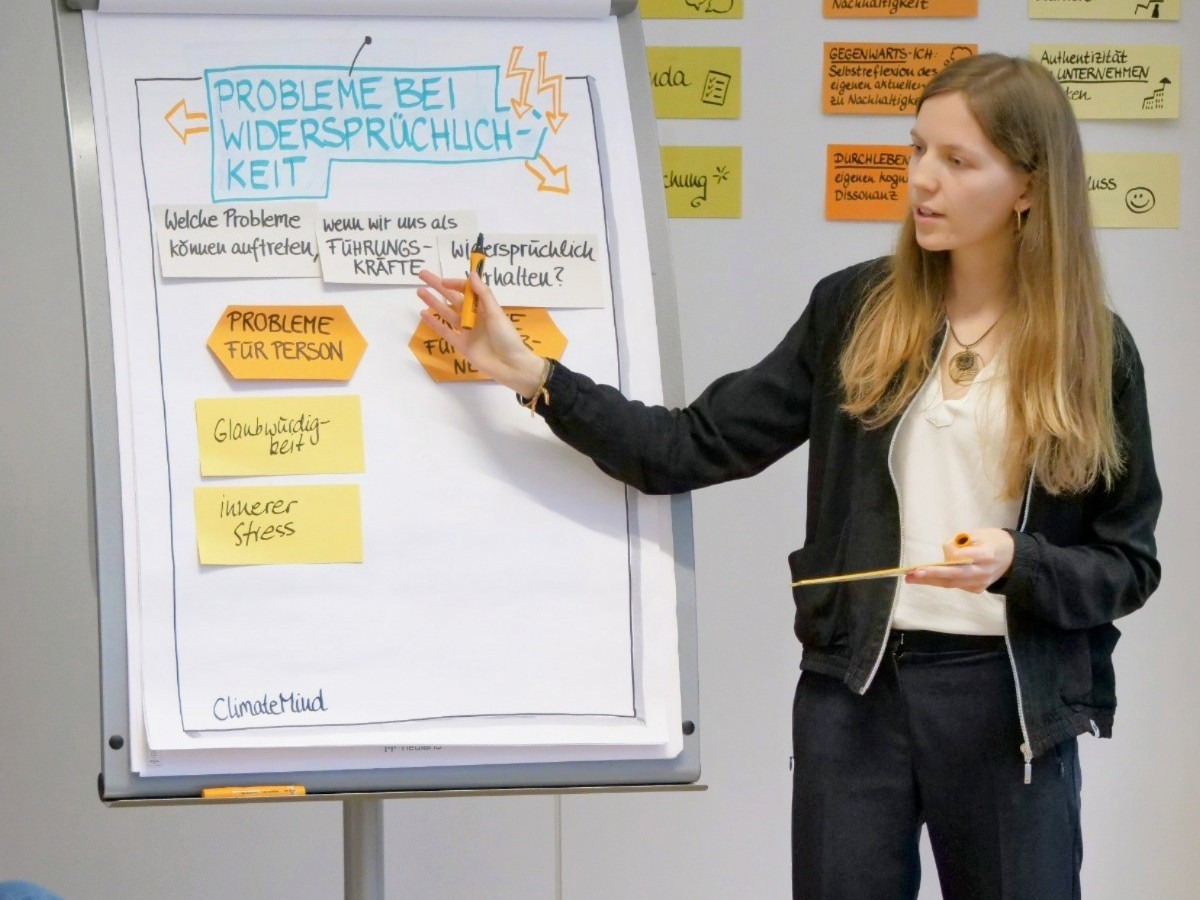
#2 Skills
Concrete skills for cooperation, conflict resolution, communication, decision-making, and implementation

#3 Infrastructure Design
Embedding psychological principles into processes, roles, and governance structures
How transformation actually happens
We work along a clear human transformation logic: Understanding → Empathy →
Agency → Resilience
This dynamic is crucial for effective collaboration – especially in complex, conflict-ridden contexts.

Understanding
Understanding reduces complexity and provides orientation
Empathy
Empathy enables trust and legitimacy
Agency
Agency translates ambition into implementation
Resilience
Resilience stabilizes long-term transformation
Your Benefit through ClimateMind
Companies
Problem.
Many ESG, biodiversity, and climate strategies remain ineffective—not due to a lack of goals, but due to a lack of implementation in everyday life.
What Psychology Can Achieve.
Psychology helps to understand how decisions are actually made—and how behavior in organizations can be changed.
Solution.
We analyze your organization, identify key levers, and specifically strengthen implementation, communication, and leadership.

Politics & Ministries
Problem.
Climate policy measures often fail not because of goals—but because of a lack of acceptance, political feasibility, and limited cooperation between actors.
What Psychology Can Achieve.
Psychology helps to understand how citizens, negotiators, and institutions actually decide—under uncertainty, interests, and social dynamics.
Solution.
We support you in making political measures compatible, strengthening participation, and effectively structuring decision-making processes—both nationally and internationally.
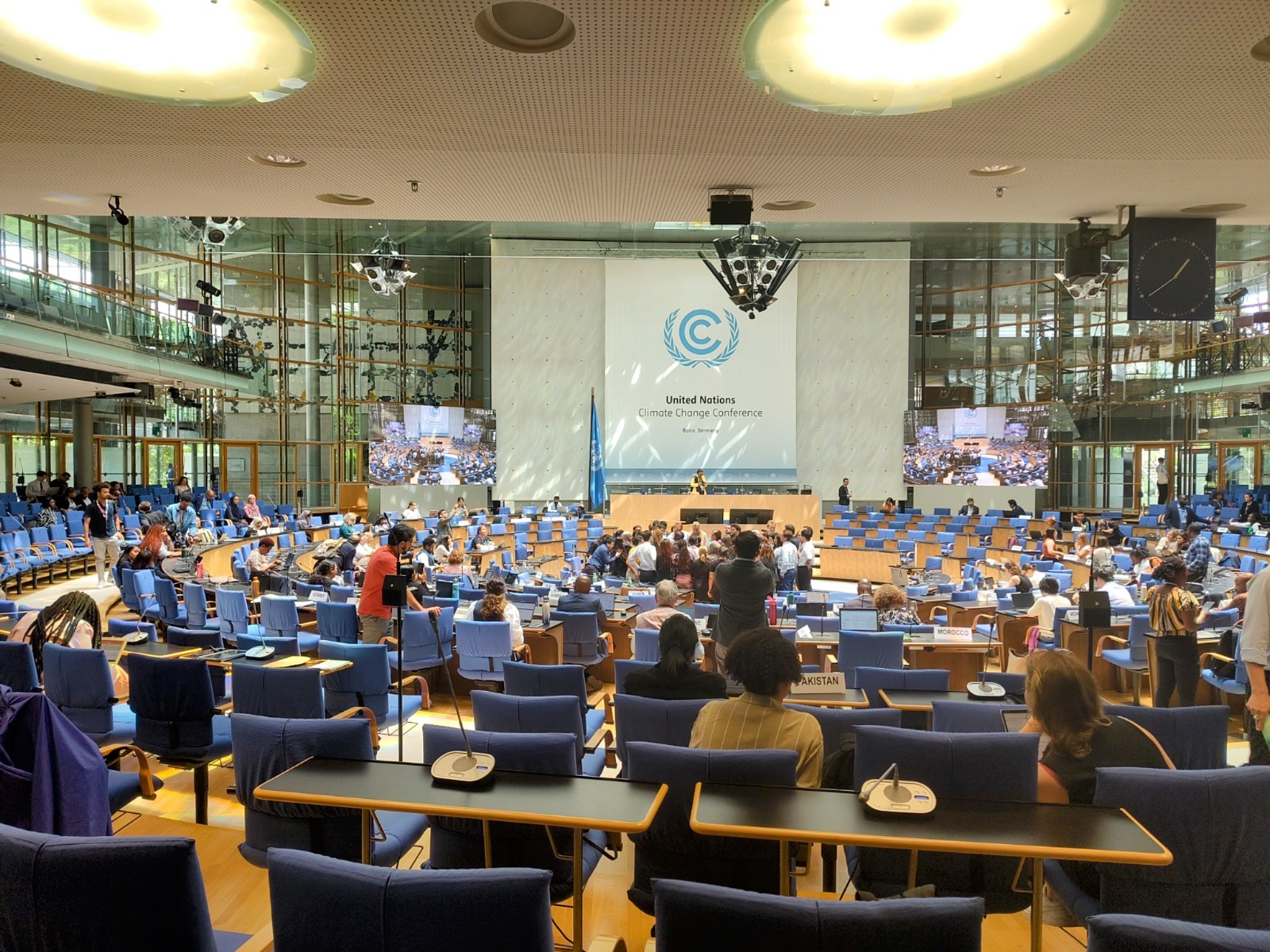
Civil Society
Problem.
Many initiatives primarily reach those who are already convinced—while crucial target groups remain excluded and political impact remains limited.
What Psychology Can Achieve.
Psychology shows how different target groups think, feel, and act—and how communication, participation, and narratives become truly effective.
Solution.
We help you reach new target groups, build support, and strategically align your work so that it unfolds social and political impact.
Strengthen the impact of your work now!
Every project regarding climate and biodiversity depends on whether people understand, support, and implement it.
That is exactly what we support you with—through psychologically sound consulting, formats, and guidance.

More than communication. More than training.
Many approaches focus on:
- Communication
- individual behavior
- or technical solutions
ClimateMind works at a deeper level:
We shape the conditions under which decisions are made.
This means:
- Integration of psychology into governance and institutions
- Working with power, trust, identity, and responsibility
- Connecting individual, relational, and structural transformation